automat 2026 — poradnik dla graczy

automat — co grać w 2026 roku

automat w 2026 roku to zdecydowanie jedna z najchętniej wybieranych rozrywek w kasynach online. Dynamiczny rozwój technologii sprawia, że producenci prześcigają się w tworzeniu coraz bardziej immersyjnych tytułów.

total casino poker — mistrzowskie zagrania | total casino

Dzięki temu gracze mogą liczyć nie tylko na klasyczne bębny, ale także na innowacyjne mechaniki, które podnoszą emocje. W tym artykule przyjrzymy się najważniejszym trendom oraz temu, jak wybrać automat nowe odpowiedni dla siebie.

Zobacz też:

automat do gry — pierwszy krok do wygranej

The concept of purchasing a bonus is a nuanced transaction that extends far beyond a simple exchange of currency for an additional benefit. In the realm of consumer economics, a bonus is typically a value-added incentive designed to entice a purchase, reward loyalty, or differentiate a product from its competitors. When a consumer decides to buy a bonus, they are not merely acquiring an extra item or service; they are engaging in a calculated decision that weighs the perceived utility of the bonus against its cost, often within the context of a larger primary purchase. This phenomenon is particularly prevalent in industries such as retail, where buy-one-get-one-free offers, gift-with-purchase promotions, and loyalty point multipliers are common tactics. For instance, a cosmetics brand might offer a deluxe sample kit as a bonus for spending over a certain threshold, and the consumer who chooses to buy that bonus—either by increasing their cart size or paying a nominal fee—is making a strategic choice to maximize their overall satisfaction. The psychology behind this is fascinating: the bonus creates a sense of urgency and exclusivity, tapping into the fear of missing out (FOMO) and the desire for a good deal. Behavioral economists have studied how the framing of a bonus can alter its perceived value; a bonus that is presented as a limited-time offer or a member-exclusive perk often carries more weight than a perpetual add-on. Moreover, the decision to buy a bonus involves a trade-off analysis, where the consumer must consider opportunity costs—what else could that money buy? For example, a gamer might purchase a season pass that includes bonus in-game content, weighing the hours of entertainment against the price, while a frequent flyer might buy a lounge access bonus that enhances their travel experience. In the digital age, buying bonuses has become even more complex, with microtransactions in mobile games, premium subscription tiers with bonus features, and crowdfunding campaigns that offer tiered bonuses as rewards. Each of these scenarios requires a different evaluation framework. In gaming, a bonus might be a rare character skin that has no gameplay advantage but offers social status, whereas in finance, a bonus could be a higher interest rate on a savings account that provides tangible monetary returns. The act of buying a bonus also has implications for the seller; it allows businesses to segment their customer base, identify high-value consumers, and cultivate brand advocates. From a legal standpoint, buying a bonus often involves terms and conditions that govern its use, expiration, and transferability, adding a layer of complexity that consumers must navigate. For instance, a bonus offered as a gift card might have a limited validity period, or a bonus subscription might auto-renew at full price unless canceled. Understanding these nuances is crucial for consumers to avoid disappointment or hidden costs. Furthermore, the cultural context influences how bonuses are perceived; in some societies, haggling for a bonus is customary, while in others, it is seen as pushy. The rise of e-commerce has also introduced dynamic pricing and personalized bonuses, where the same product might have a different bonus based on the user’s browsing history or purchase patterns. This personalization can be both beneficial and concerning, as it raises questions about data privacy and fairness. Ultimately, buying a bonus is a microcosm of consumer behavior, reflecting broader trends in marketing, psychology, and technology. It is not just about the extra item; it is about the relationship between the buyer and the seller, the perceived value, and the emotional satisfaction of getting more for one’s money. Whether it is a free shipping threshold, a buy-one-get-one-half-off deal, or a bonus reward point multiplier, the decision to buy a bonus is a deliberate act that can enhance the overall purchase experience. However, it also requires a level of mindfulness, as not all bonuses are created equal. Some bonuses may be low-quality or irrelevant, leading to buyer’s remorse. Therefore, savvy consumers often research the bonus’s actual value, read reviews, and compare alternatives before committing. In conclusion, buying a bonus is a multifaceted decision that involves financial reasoning, psychological triggers, and strategic planning. It is a practice that is deeply embedded in modern commerce, and its significance cannot be overstated.

Co musisz wiedzieć o automat do gry w slotach?

Zapoznaj się z podstawami gry na automatach, w tym z liczbą bębnów, liniami wygrywającymi i zasadami wypłat.

Wybierz automat o odpowiedniej dla siebie zmienności (wolnej, średniej lub wysokiej) oraz sprawdź jego wskaźnik RTP.

Ustal budżet na grę i trzymaj się go, pamiętając o minimalnym depozycie, np. zł22.

Skorzystaj z bonusów powitalnych lub darmowych spinów, zwracając uwagę na warunki obrotu, takie jak Warunek 30x obrotu.

Zapoznaj się z funkcjami bonusowymi, takimi jak darmowe spiny, mnożniki, symbole dzikie i scatter, aby zwiększyć szanse na wygraną.

Graj odpowiedzialnie i pamiętaj, że gry losowe opierają się na generatorze liczb losowych, a wygrane jackpoty są kwestią szczęścia.

automat zapewnia całodobowe wsparcie techniczne w języku polskim.

Warunki Bonusowe dla Graczy Slotów

  • 6% bonus od depozytu
  • zł1000 za darmo
  • pakiet 25% do zł300
  • Playthrough 25x w 30 dni
  • Wymóg obrotu 30x

Wszystko o automat nowe – sprawdź odpowiedzi

Czym są automaty online i jak działają?

Automaty online to cyfrowe wersje klasycznych jednorękich bandytów. Działają na generatorze liczb losowych (RNG), który zapewnia całkowitą losowość wyników w każdej rundzie.

Czym są linie wypłat i bębny?

Bębny to pionowe kolumny symboli, które obracają się po kliknięciu przycisku. Linie wypłat to wzory, wzdłuż których wygrywają kombinacje symboli – mogą być proste, zygzakowate lub rozproszone.

Co oznacza zmienność (wolatility) i RTP?

Zmienność określa ryzyko i częstotliwość wygranych: niska daje częste, ale małe nagrody, wysoka – rzadkie, ale duże. RTP to teoretyczny procent zwrotu dla gracza (np. 96%), im wyższy, tym lepiej dla gracza.

Czym są funkcje bonusowe i jak działają?

Funkcje bonusowe to specjalne rundy, które zwiększają wygraną – np. darmowe spiny, dzikie symbole (wild), mnożniki lub minigry. Aktywowane są przez określone symbole (np. scatter) lub losowo.

Czym jest jackpot i czy mogę w niego wygrać?

Jackpot to duża pula nagród, która rośnie z każdym zakładem. W automatach progresywnych jackpot jest wspólny dla wielu gier i może być wygrany losowo lub przez specjalną kombinację – zawsze zależy od szczęścia.

total casino poker — graj o wysokie stawki | total casino
kasyno wpłata sms 2026 — najlepsze opcje płatności

Kim są dostawcy oprogramowania i czy mają znaczenie?

To firmy tworzące gry – np. znane studia jak NetEnt, Microgaming czy Play’n GO. Znaczenie ma ich reputacja, jakość grafiki, funkcje i uczciwość (certyfikowane RNG). Wybieraj gry od licencjonowanych dostawców, aby mieć pewność uczciwej gry.

Limity depozytów w grach slotowych – co warto wiedzieć

Hazard to gra przeznaczona wyłącznie dla osób pełnoletnich (18+). W Polsce działalność kasyn online nadzoruje Ministerstwo Finansów, a gracze mogą korzystać z narzędzi samowykluczenia oferowanych przez operatorów. Jeśli czujesz, że tracisz kontrolę nad swoim graniem, skontaktuj się z Ogólnopolskim Telefonem Zaufania ds. Hazardu pod numerem 801 882 880, gdzie otrzymasz bezpłatne wsparcie. Pamiętaj, aby ustalać limity czasu i depozytów oraz traktować grę wyłącznie jako formę rozrywki, nigdy jako sposób na odzyskanie strat. Graj odpowiedzialnie.

starda kasyno — program lojalnościowy | starda casino
O autorze: . Ekspertka w dziedzinie bezpieczeństwa i odpowiedzialnej gry, Anna od 10 lat analizuje licencje kasyn i polityki prywatności, pomagając graczom wybierać zaufane platformy.


automat 2026 — strategie na sloty

automat — top 10 maszyn w 2026

automat to nie tylko hazard, ale przede wszystkim forma rozrywki, która dostarcza emocji i adrenaliny. Wiele osób decyduje się na grę w sloty, aby oderwać się od codziennych obowiązków i poczuć dreszczyk ryzyka.

Aby jednak czerpać radość z gry, warto wybierać sprawdzone tytuły. W tym celu dobrze jest przeanalizować opinie innych użytkowników oraz funkcje, jakie oferuje automat 777, który cieszy się uznaniem wśród graczy.

Zobacz też:

minimalny depozyt kasyno 2026 — minimalny depozyt kasyno legalne

Rozpocznij przygodę z automat 777 już dziś

The concept of purchasing a bonus is a nuanced transaction that extends far beyond a simple exchange of currency for an additional benefit. In the realm of consumer economics, a bonus is typically a value-added incentive designed to entice a purchase, reward loyalty, or differentiate a product from its competitors. When a consumer decides to buy a bonus, they are not merely acquiring an extra item or service; they are engaging in a calculated decision that weighs the perceived utility of the bonus against its cost, often within the context of a larger primary purchase. This phenomenon is particularly prevalent in industries such as retail, where buy-one-get-one-free offers, gift-with-purchase promotions, and loyalty point multipliers are common tactics. For instance, a cosmetics brand might offer a deluxe sample kit as a bonus for spending over a certain threshold, and the consumer who chooses to buy that bonus—either by increasing their cart size or paying a nominal fee—is making a strategic choice to maximize their overall satisfaction. The psychology behind this is fascinating: the bonus creates a sense of urgency and exclusivity, tapping into the fear of missing out (FOMO) and the desire for a good deal. Behavioral economists have studied how the framing of a bonus can alter its perceived value; a bonus that is presented as a limited-time offer or a member-exclusive perk often carries more weight than a perpetual add-on. Moreover, the decision to buy a bonus involves a trade-off analysis, where the consumer must consider opportunity costs—what else could that money buy? For example, a gamer might purchase a season pass that includes bonus in-game content, weighing the hours of entertainment against the price, while a frequent flyer might buy a lounge access bonus that enhances their travel experience. In the digital age, buying bonuses has become even more complex, with microtransactions in mobile games, premium subscription tiers with bonus features, and crowdfunding campaigns that offer tiered bonuses as rewards. Each of these scenarios requires a different evaluation framework. In gaming, a bonus might be a rare character skin that has no gameplay advantage but offers social status, whereas in finance, a bonus could be a higher interest rate on a savings account that provides tangible monetary returns. The act of buying a bonus also has implications for the seller; it allows businesses to segment their customer base, identify high-value consumers, and cultivate brand advocates. From a legal standpoint, buying a bonus often involves terms and conditions that govern its use, expiration, and transferability, adding a layer of complexity that consumers must navigate. For instance, a bonus offered as a gift card might have a limited validity period, or a bonus subscription might auto-renew at full price unless canceled. Understanding these nuances is crucial for consumers to avoid disappointment or hidden costs. Furthermore, the cultural context influences how bonuses are perceived; in some societies, haggling for a bonus is customary, while in others, it is seen as pushy. The rise of e-commerce has also introduced dynamic pricing and personalized bonuses, where the same product might have a different bonus based on the user’s browsing history or purchase patterns. This personalization can be both beneficial and concerning, as it raises questions about data privacy and fairness. Ultimately, buying a bonus is a microcosm of consumer behavior, reflecting broader trends in marketing, psychology, and technology. It is not just about the extra item; it is about the relationship between the buyer and the seller, the perceived value, and the emotional satisfaction of getting more for one’s money. Whether it is a free shipping threshold, a buy-one-get-one-half-off deal, or a bonus reward point multiplier, the decision to buy a bonus is a deliberate act that can enhance the overall purchase experience. However, it also requires a level of mindfulness, as not all bonuses are created equal. Some bonuses may be low-quality or irrelevant, leading to buyer’s remorse. Therefore, savvy consumers often research the bonus’s actual value, read reviews, and compare alternatives before committing. In conclusion, buying a bonus is a multifaceted decision that involves financial reasoning, psychological triggers, and strategic planning. It is a practice that is deeply embedded in modern commerce, and its significance cannot be overstated. As markets evolve and new forms of bonuses emerge—such as exclusive access to beta tests, limited-edition merchandise, or carbon offset credits—the concept of buying a bonus will continue to adapt, offering both opportunities and challenges for consumers and businesses alike. The next time you consider buying a bonus, remember that you are participating in a sophisticated dance of value creation and consumption, where every extra perk has a story, a cost, and a potential payoff that goes beyond the surface.

Czy automat ranking pomoże Ci wygrać?

Wybierz automat online od renomowanego dostawcy oprogramowania.

Zapoznaj się z tabelą wypłat, symbolami oraz liczbą bębnów i linii wypłat.

Ustal wielkość zakładu i liczbę aktywnych linii wypłat.

Sprawdź parametry gry: RTP, zmienność (volatility) oraz dostępne funkcje bonusowe.

Uruchom grę w trybie demo, aby poznać mechanikę bez ryzyka.

Zagraj na prawdziwe pieniądze, pamiętając o odpowiedzialnej grze i limitach.

automat zapewnia bezpieczne i szybkie transakcje finansowe dla graczy.

Warunki Bonusowe dla Graczy Slotów

  • zł250 za darmo
  • bonus zł1500
  • zł150 bonus powitalny
  • Playthrough 25x w 14 dni
  • Playthrough 40x

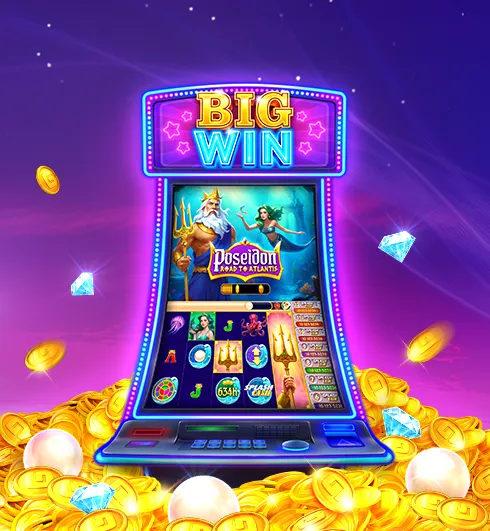
Wizualizacja automat

automat

FAQ: Co warto wiedzieć o automat 777?

Czym są automaty online i jak działają?

Automaty online to cyfrowe wersje klasycznych jednorękich bandytów, które generują wyniki za pomocą generatora liczb losowych (RNG). Gracz obstawia zakład, uruchamia bębny, a wygrana zależy od ułożenia symboli na aktywnych liniach wygrywających.

Czym są linie wygrywające, bębny i volatility?

Bębny to pionowe kolumny z symbolami, które obracają się po każdym zakręcie. Linie wygrywające to wzory, wzdłuż których liczone są wygrane (np. od lewej do prawej), a volatility (zmienność) określa częstotliwość i wielkość wypłat – niska daje częste, ale małe wygrane, wysoka rzadkie, ale duże.

Co oznacza RTP i na co wpływa?

RTP (Return to Player) to teoretyczny procent zwrotu dla gracza w długim okresie, np. 96% oznacza, że na każde 100 zł postawionych, gracz może spodziewać się zwrotu 96 zł. Wyższe RTP przekłada się na bardziej korzystne warunki gry.

Jakie są rodzaje funkcji bonusowych i jackpotów?

Funkcje bonusowe to m.in. darmowe spiny, mnożniki, dzikie symbole (wild), scattere, a także rundy z dodatkowymi minigrami. Jackpoty dzielą się na stałe (wypłacane po trafieniu określonej kombinacji) i progresywne, które rosną z każdym zakładem aż do momentu wygranej.

savaspin — ekskluzywne promocje | savaspin casino

Czym różnią się automaty od różnych dostawców oprogramowania?

Dostawcy oprogramowania, tacy jak NetEnt, Microgaming czy Play’n GO, tworzą gry o różnych tematach, mechanikach, grafice i funkcjach. Różnice dotyczą także wartości RTP, zmienności oraz dostępności jackpotów, co wpływa na wrażenia z gry i potencjalne wygrane.

loteriada logowanie — logowanie bez przeszkód | loteriada logowanie

automat oferuje program lojalnościowy z ekskluzywnymi nagrodami dla graczy.

totalcasino kontakt — nasza rekomendacja | totalcasino kontakt
kasyno bet — strategia bukmacherska | kasyno bet

Gdzie szukać pomocy przy problemach z hazardem – przewodnik

Hazard to gra wyłącznie dla osób pełnoletnich (18+). Pamiętaj, że w Polsce legalne zakłady i kasyna online działają wyłącznie na podstawie zezwoleń Ministerstwa Finansów. Jeśli czujesz, że tracisz kontrolę nad grą, skorzystaj z narzędzi samowykluczenia oferowanych przez operatorów oraz z systemu rejestru osób wykluczonych prowadzonego przez polskie organy regulacyjne. Ustal z góry limity czasu i depozytów — graj wyłącznie dla rozrywki, nigdy nie próbuj odgrywać strat. Darmową pomoc i wsparcie znajdziesz, kontaktując się z lokalną infolinią lub organizacją zajmującą się problemowym hazardem, taką jak Telefon Zaufania dla Osób Uzależnionych od Gier Losowych.

O autorze: . Z ponad 15-letnim doświadczeniem w branży hazardowej, Marek specjalizuje się w recenzjach kasyn online, oceniając uczciwość gier, szybkość wypłat i jakość obsługi klienta.


automat 2026 — poradnik dla graczy

automat — co grać w 2026 roku

automat w 2026 roku to zdecydowanie jedna z najchętniej wybieranych rozrywek w kasynach online. Dynamiczny rozwój technologii sprawia, że producenci prześcigają się w tworzeniu coraz bardziej immersyjnych tytułów.

Dzięki temu gracze mogą liczyć nie tylko na klasyczne bębny, ale także na innowacyjne mechaniki, które podnoszą emocje. W tym artykule przyjrzymy się najważniejszym trendom oraz temu, jak wybrać automat nowe odpowiedni dla siebie.

polskie kasyno bitcoin 2026 — licencjonowane platformy
rtp kasyno 2026 — functionalne funkcje Wild i Scatter

Zobacz też:

automat do gry — pierwszy krok do wygranej

The concept of purchasing a bonus is a nuanced transaction that extends far beyond a simple exchange of currency for an additional benefit. In the realm of consumer economics, a bonus is typically a value-added incentive designed to entice a purchase, reward loyalty, or differentiate a product from its competitors. When a consumer decides to buy a bonus, they are not merely acquiring an extra item or service; they are engaging in a calculated decision that weighs the perceived utility of the bonus against its cost, often within the context of a larger primary purchase. This phenomenon is particularly prevalent in industries such as retail, where buy-one-get-one-free offers, gift-with-purchase promotions, and loyalty point multipliers are common tactics. For instance, a cosmetics brand might offer a deluxe sample kit as a bonus for spending over a certain threshold, and the consumer who chooses to buy that bonus—either by increasing their cart size or paying a nominal fee—is making a strategic choice to maximize their overall satisfaction. The psychology behind this is fascinating: the bonus creates a sense of urgency and exclusivity, tapping into the fear of missing out (FOMO) and the desire for a good deal. Behavioral economists have studied how the framing of a bonus can alter its perceived value; a bonus that is presented as a limited-time offer or a member-exclusive perk often carries more weight than a perpetual add-on. Moreover, the decision to buy a bonus involves a trade-off analysis, where the consumer must consider opportunity costs—what else could that money buy? For example, a gamer might purchase a season pass that includes bonus in-game content, weighing the hours of entertainment against the price, while a frequent flyer might buy a lounge access bonus that enhances their travel experience. In the digital age, buying bonuses has become even more complex, with microtransactions in mobile games, premium subscription tiers with bonus features, and crowdfunding campaigns that offer tiered bonuses as rewards. Each of these scenarios requires a different evaluation framework. In gaming, a bonus might be a rare character skin that has no gameplay advantage but offers social status, whereas in finance, a bonus could be a higher interest rate on a savings account that provides tangible monetary returns. The act of buying a bonus also has implications for the seller; it allows businesses to segment their customer base, identify high-value consumers, and cultivate brand advocates. From a legal standpoint, buying a bonus often involves terms and conditions that govern its use, expiration, and transferability, adding a layer of complexity that consumers must navigate. For instance, a bonus offered as a gift card might have a limited validity period, or a bonus subscription might auto-renew at full price unless canceled. Understanding these nuances is crucial for consumers to avoid disappointment or hidden costs. Furthermore, the cultural context influences how bonuses are perceived; in some societies, haggling for a bonus is customary, while in others, it is seen as pushy. The rise of e-commerce has also introduced dynamic pricing and personalized bonuses, where the same product might have a different bonus based on the user’s browsing history or purchase patterns. This personalization can be both beneficial and concerning, as it raises questions about data privacy and fairness. Ultimately, buying a bonus is a microcosm of consumer behavior, reflecting broader trends in marketing, psychology, and technology. It is not just about the extra item; it is about the relationship between the buyer and the seller, the perceived value, and the emotional satisfaction of getting more for one’s money. Whether it is a free shipping threshold, a buy-one-get-one-half-off deal, or a bonus reward point multiplier, the decision to buy a bonus is a deliberate act that can enhance the overall purchase experience. However, it also requires a level of mindfulness, as not all bonuses are created equal. Some bonuses may be low-quality or irrelevant, leading to buyer’s remorse. Therefore, savvy consumers often research the bonus’s actual value, read reviews, and compare alternatives before committing. In conclusion, buying a bonus is a multifaceted decision that involves financial reasoning, psychological triggers, and strategic planning. It is a practice that is deeply embedded in modern commerce, and its significance cannot be overstated.

jackpot kasyno 2026 — darmowe spiny i jackpoty

Co musisz wiedzieć o automat do gry w slotach?

Zapoznaj się z podstawami gry na automatach, w tym z liczbą bębnów, liniami wygrywającymi i zasadami wypłat.

Wybierz automat o odpowiedniej dla siebie zmienności (wolnej, średniej lub wysokiej) oraz sprawdź jego wskaźnik RTP.

Ustal budżet na grę i trzymaj się go, pamiętając o minimalnym depozycie, np. zł22.

Skorzystaj z bonusów powitalnych lub darmowych spinów, zwracając uwagę na warunki obrotu, takie jak Warunek 30x obrotu.

Zapoznaj się z funkcjami bonusowymi, takimi jak darmowe spiny, mnożniki, symbole dzikie i scatter, aby zwiększyć szanse na wygraną.

Graj odpowiedzialnie i pamiętaj, że gry losowe opierają się na generatorze liczb losowych, a wygrane jackpoty są kwestią szczęścia.

automat zapewnia całodobowe wsparcie techniczne w języku polskim.

Warunki Bonusowe dla Graczy Slotów

  • 6% bonus od depozytu
  • zł1000 za darmo
  • pakiet 25% do zł300
  • Playthrough 25x w 30 dni
  • Wymóg obrotu 30x

Wszystko o automat nowe – sprawdź odpowiedzi

Czym są automaty online i jak działają?

Automaty online to cyfrowe wersje klasycznych jednorękich bandytów. Działają na generatorze liczb losowych (RNG), który zapewnia całkowitą losowość wyników w każdej rundzie.

Czym są linie wypłat i bębny?

Bębny to pionowe kolumny symboli, które obracają się po kliknięciu przycisku. Linie wypłat to wzory, wzdłuż których wygrywają kombinacje symboli – mogą być proste, zygzakowate lub rozproszone.

Co oznacza zmienność (wolatility) i RTP?

Zmienność określa ryzyko i częstotliwość wygranych: niska daje częste, ale małe nagrody, wysoka – rzadkie, ale duże. RTP to teoretyczny procent zwrotu dla gracza (np. 96%), im wyższy, tym lepiej dla gracza.

kasyno poker 2026 — poradnik dla graczy

Czym są funkcje bonusowe i jak działają?

Funkcje bonusowe to specjalne rundy, które zwiększają wygraną – np. darmowe spiny, dzikie symbole (wild), mnożniki lub minigry. Aktywowane są przez określone symbole (np. scatter) lub losowo.

Czym jest jackpot i czy mogę w niego wygrać?

Jackpot to duża pula nagród, która rośnie z każdym zakładem. W automatach progresywnych jackpot jest wspólny dla wielu gier i może być wygrany losowo lub przez specjalną kombinację – zawsze zależy od szczęścia.

Kim są dostawcy oprogramowania i czy mają znaczenie?

To firmy tworzące gry – np. znane studia jak NetEnt, Microgaming czy Play’n GO. Znaczenie ma ich reputacja, jakość grafiki, funkcje i uczciwość (certyfikowane RNG). Wybieraj gry od licencjonowanych dostawców, aby mieć pewność uczciwej gry.

aviator kasyno — przegląd dostawców oprogramowania | aviator kasyno

Limity depozytów w grach slotowych – co warto wiedzieć

Hazard to gra przeznaczona wyłącznie dla osób pełnoletnich (18+). W Polsce działalność kasyn online nadzoruje Ministerstwo Finansów, a gracze mogą korzystać z narzędzi samowykluczenia oferowanych przez operatorów. Jeśli czujesz, że tracisz kontrolę nad swoim graniem, skontaktuj się z Ogólnopolskim Telefonem Zaufania ds. Hazardu pod numerem 801 882 880, gdzie otrzymasz bezpłatne wsparcie. Pamiętaj, aby ustalać limity czasu i depozytów oraz traktować grę wyłącznie jako formę rozrywki, nigdy jako sposób na odzyskanie strat. Graj odpowiedzialnie.

kasyno online szybkie wypłaty opinie — rzetelne opinie | kasyno online szybkie wypłaty opinie

O autorze: . Ekspertka w dziedzinie bezpieczeństwa i odpowiedzialnej gry, Anna od 10 lat analizuje licencje kasyn i polityki prywatności, pomagając graczom wybierać zaufane platformy.